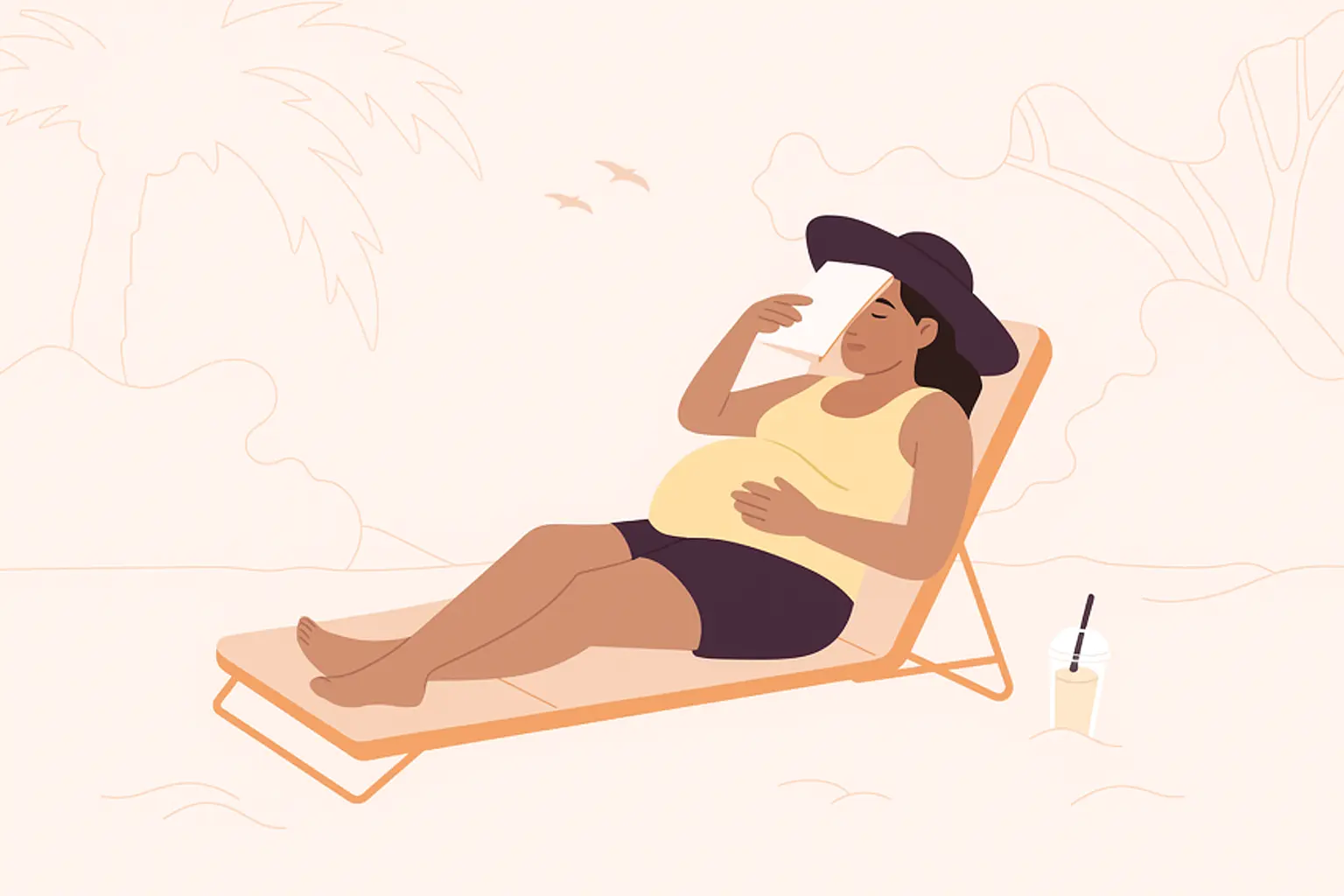
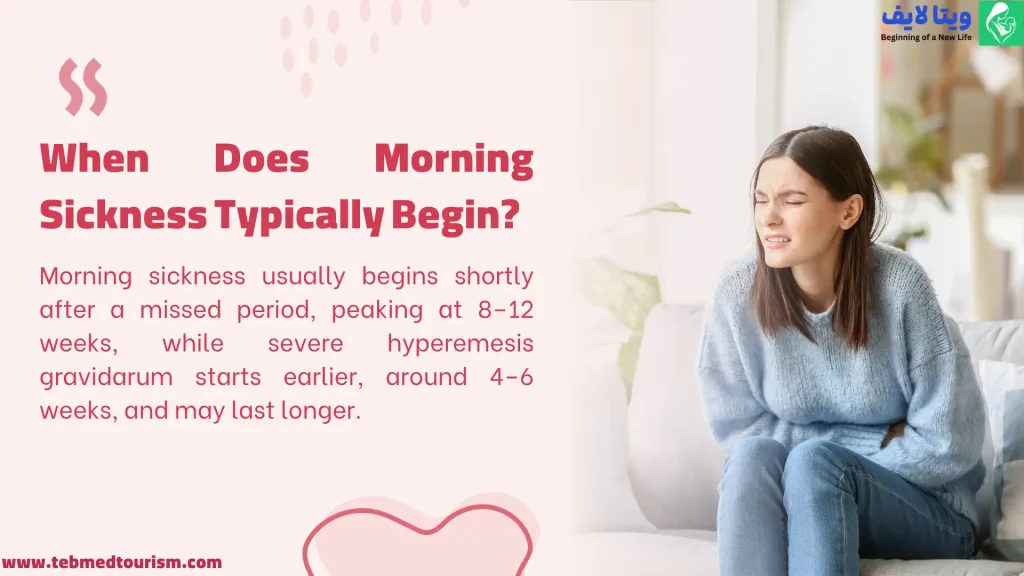
Morning sickness affects around 7–8 in 10 pregnancies. It usually starts between weeks 4 and 7, often peaks around weeks 8–10, and improves for many people by weeks 12–14. About 90% of people with pregnancy sickness recover by week 20. Despite its name, it can happen at any time of day.
Important: Contact your healthcare provider the same day if you cannot keep fluids down, are passing very little or very dark urine, feel faint, or are losing weight. Seek emergency medical care for collapse, confusion, severe abdominal pain, or blood in your vomit.
Question
Quick Answer
How common is it?
Around 70–80% of pregnancies involve nausea, vomiting, or both. Estimates vary between populations and studies.
When does it start?
Usually between weeks 4 and 7, often around week 6.
When is it worst?
Symptoms often peak around weeks 8–10.
When does it improve?
Many people feel better by weeks 12–14; about 90% recover by week 20.
Can it happen at night?
Yes. Symptoms can occur in the morning, afternoon, evening, or overnight.
What can help?
Small, frequent meals, regular sips of fluid, and appropriate treatment such as vitamin B6 or doxylamine when recommended.
When should I seek medical help?
If you cannot keep fluids down, have signs of dehydration, feel faint, or are losing weight.
Pregnancy weeks are counted from the first day of your last menstrual period (LMP), not from conception. Week 4 is approximately when a period may be due.
When Does Morning Sickness Start and End?
The timing varies from one pregnancy to another, but many people follow a similar pattern.
Pregnancy Stage
What Commonly Happens
Weeks 4–7
Nausea or vomiting may begin, sometimes before a missed period.
Weeks 8–10
Symptoms often reach their peak.
Weeks 12–14
Many people begin to feel noticeably better.
Weeks 16–20
Symptoms resolve for most people; around 90% have recovered by week 20.
After week 20
Some people continue to experience symptoms, but persistent, severe, or newly developing vomiting should be assessed.
These are typical patterns, not deadlines. Some people improve earlier, while others continue to experience nausea beyond the first trimester.
If vomiting first develops after week 16, a healthcare professional should assess possible causes other than ordinary pregnancy sickness.
What Are the Symptoms of Morning Sickness?
Morning sickness can cause nausea, vomiting, or both. Symptoms range from occasional queasiness to persistent sickness that makes eating, drinking, sleeping, or working difficult.
Common symptoms include:
Nausea or an unsettled stomach
Vomiting or dry heaving
Sensitivity to food smells, perfumes, or cooking odors
Reduced appetite or difficulty tolerating usual meals
Feeling worse when the stomach is empty
Fatigue that makes everyday activities harder
Some people describe the sensation as similar to motion sickness or a hangover. Others feel nauseated throughout the day without vomiting.
You do not need to vomit to have morning sickness. Symptoms can also change in intensity from one day to the next.
What Causes Morning Sickness?
Pregnancy sickness does not have one single cause. Hormonal and biological changes are involved, and researchers continue to investigate why symptoms are more severe in some pregnancies than in others.
Pregnancy hormones and biological changes
Human chorionic gonadotropin (hCG) and estrogen have long been discussed as possible contributors to nausea during pregnancy. However, the biology is more complex than a simple increase in one hormone.
Research highlighted in the 2024 RCOG guideline points to growth differentiation factor 15 (GDF15), a hormone involved in appetite and nausea pathways. GDF15 levels and a person’s sensitivity to the hormone may help explain why some people develop more severe symptoms.
Changes in digestion and increased sensitivity to particular smells may also contribute to the experience of nausea. These mechanisms do not explain every case completely.
What can trigger symptoms?
Common triggers include:
Strong smells or certain foods
An empty stomach
Large, rich, or greasy meals
Fatigue and lack of sleep
Heat or stuffy environments
Motion or travel
Triggers vary from person to person. Identifying the ones that affect you can make daily management easier, but avoiding triggers alone may not be enough for moderate or severe symptoms.
Who Is More Likely to Experience Morning Sickness?
Morning sickness can affect anyone during pregnancy. Some factors are associated with a greater likelihood of nausea or more severe symptoms.
You may be more likely to experience pregnancy sickness if you:
Had significant nausea or vomiting in a previous pregnancy
Have a family history of severe pregnancy sickness, such as a mother or sister who experienced it
Have a history of motion sickness or migraine
Are carrying twins or multiples, which can be associated with more severe symptoms
Have previously experienced hyperemesis gravidarum (HG)
These are risk factors, not predictions. Having one does not mean you will develop severe symptoms, and people without these factors can still experience HG.
Pregnancy number alone cannot reliably predict how severe symptoms will be.
What Helps Relieve Morning Sickness?
There is no single remedy that works for everyone. Start with practical changes that are easy to maintain. If symptoms continue to interfere with eating, drinking, sleep, or daily life, medication may be appropriate.
1. Eat small amounts more often
An empty stomach can make nausea worse for some people. Try several small meals or snacks instead of three large meals.
Foods that may be easier to tolerate include:
Plain crackers or dry toast
Rice, pasta, bread, or potatoes
Simple cereals and other bland carbohydrates
Small portions of protein-containing foods, if tolerated
If nausea is strongest when you wake up, keep a plain cracker or biscuit beside your bed and eat a little before standing up.
2. Try cold or room-temperature foods
Hot food often releases stronger smells. Cold or room-temperature foods may be easier to tolerate if cooking odors trigger nausea.
Choose foods you can comfortably eat rather than forcing yourself to follow a rigid meal plan.
3. Sip fluids regularly
Take small sips of water or another tolerated drink throughout the day. Some people find it easier to drink between meals rather than alongside food.
If you cannot keep fluids down, home strategies are not enough. Seek medical advice the same day.
4. Rest and reduce triggers
Fatigue can make nausea harder to manage. Rest when possible, avoid smells that reliably trigger symptoms, and ask for help with cooking or other tasks if needed.
5. Adjust prenatal supplements if they worsen nausea
Iron-containing supplements can worsen sickness for some people. Taking a supplement with food or at bedtime may help, depending on the product.
Do not stop a prescribed supplement or change how you take it without checking with your healthcare provider, particularly if you have been advised to take iron for anemia or another medical reason.
6. Protect your teeth after vomiting
Stomach acid can soften tooth enamel. After vomiting, rinse your mouth with water and wait before brushing your teeth. Brushing immediately can increase enamel damage.
7. Consider ginger or acupressure
Ginger foods or drinks may help some people, but the evidence is mixed and responses vary. Supplements can contain concentrated doses, so check with a healthcare professional before using them.
Acupressure at the P6 point on the wrist may help some people, although research findings are inconsistent. Neither approach should delay medical treatment if symptoms are severe.
Which Medicines Are Used for Morning Sickness?
When lifestyle changes are not enough, medication is a reasonable treatment option. The appropriate choice depends on symptom severity, medical history, local prescribing guidance, and the medicines available in your country.
Treatment
How It Is Used
Important Information
Vitamin B6 (pyridoxine)
Often considered an initial medication option for nausea
Check the dose with a healthcare professional and account for B6 in other supplements.
Doxylamine plus vitamin B6
A commonly used combination for pregnancy-related nausea and vomiting
Doxylamine can cause drowsiness. Use the appropriate formulation and follow professional guidance.
Other anti-nausea medicines
May be prescribed if initial treatment does not help or symptoms are more severe
A clinician can explain the benefits, potential side effects, and pregnancy-specific considerations.
Fluids and treatment in a clinic or hospital
May be needed when oral fluids or medicines cannot be kept down
Treatment may include rehydration, medication, and assessment of electrolyte or nutritional problems.
RCOG recommends established antiemetic treatments when required. Treatment should not be unnecessarily delayed because of concerns about taking medicine during pregnancy. Poorly controlled severe vomiting carries its own risks.
What are the brand names in different countries?
Brand names, licensing, and availability vary by country. Products with similar names may also have different active ingredients or release formulations.
Country or Market
Example
What to Know
United States
Diclegis; Bonjesta
Prescription combinations of doxylamine and vitamin B6, with different formulations.
United Kingdom
Xonvea
A delayed-release combination of doxylamine and vitamin B6 licensed for pregnancy sickness.
Other countries
Availability varies
Ask a local healthcare professional or pharmacist about an appropriate product and formulation.
Important: Do not assume that an over-the-counter sleep aid is interchangeable with a pregnancy-specific combination product. Some products sold under the Unisom name contain doxylamine, while others contain a different active ingredient. Always check the label.
Doxylamine can cause significant drowsiness and impair alertness. Do not start it for pregnancy sickness without checking the exact product and dose with a qualified healthcare professional. Avoid driving or other activities requiring alertness if it makes you sleepy.
Can I take vitamin B6 without a prescription?
Vitamin B6 is available over the counter in many countries, and the American College of Obstetricians and Gynecologists (ACOG) identifies it as an initial option for pregnancy-related nausea. Doxylamine may be added if B6 alone does not provide enough relief.
The ACOG patient FAQ does not specify one universal dose. The NIH Office of Dietary Supplements reports that clinical trials have used pyridoxine doses of 10–25 mg every eight hours. These are doses studied in clinical trials, not a personalized instruction for every pregnant person.
Before taking B6, check the appropriate dose with your healthcare professional or pharmacist, particularly if you already take a prenatal vitamin or another supplement containing B6. Do not increase the dose or combine products without checking the total amount.
If symptoms persist despite initial treatment, ask about other anti-nausea medicines rather than increasing doses on your own.
When Should You Seek Medical Care?
Use these three levels as a guide. If you are unsure how serious your symptoms are, contact a healthcare professional rather than waiting for them to worsen.
Emergency care now
Seek emergency medical assessment for:
Loss of consciousness or collapse
Confusion or severe weakness
Severe abdominal pain
Blood in your vomit, even if the amount appears small
Contact your doctor or maternity care team the same day
Seek same-day advice if you:
Cannot keep fluids down
Have very dark urine or have not urinated for more than 8 hours
Feel very weak, dizzy, or faint when standing
Notice a racing heartbeat
Are losing weight
Have vomiting with abdominal pain or a high temperature
These warning signs need assessment. Do not wait for a specific number of vomiting episodes if you cannot stay hydrated.
Arrange a prompt appointment
Contact your pregnancy care provider if nausea interferes with eating, drinking, sleep, work, or everyday activities, even if you can still keep some fluids down. Treatment can help before symptoms become severe. You do not need to wait until you have lost weight or become dehydrated.
The NHS guidance on vomiting and morning sickness advises contacting a midwife, GP, or NHS 111 if you have very dark urine or have not urinated for more than 8 hours, cannot keep food or fluids down for 24 hours, feel very weak or dizzy when standing, have abdominal pain or a high temperature, vomit blood, or have lost weight.
Do not wait for the 24-hour threshold if you are already showing signs of dehydration or feel seriously unwell.
Morning Sickness vs. Hyperemesis Gravidarum (HG)
Morning sickness ranges from mild nausea to repeated vomiting. Hyperemesis gravidarum (HG) is a severe form of pregnancy sickness that can make normal eating and drinking difficult and substantially limit daily activities.
RCOG estimates that HG affects approximately 0.3–3.6% of pregnancies. Estimates vary according to the population and diagnostic criteria used.
Feature
Typical Morning Sickness
Hyperemesis Gravidarum
Nausea and vomiting
Can range from mild to troublesome
Often severe and persistent
Eating and drinking
Many people can still manage some food and fluids
Normal eating and drinking may become difficult or impossible
Daily activities
May be uncomfortable but manageable
Can be severely restricted
Dehydration and nutrition
Less common in mild cases
Greater risk of dehydration and inadequate nutrition
Treatment
Dietary changes and medication when needed
May require medication, fluids, nutritional support, or hospital care
Weight loss of more than 5% of pre-pregnancy body weight can indicate significant illness, but it is not necessary to reach this threshold before seeking help. Clinicians also consider whether severe symptoms prevent normal eating and drinking and substantially limit daily life.
What is the PUQE score?
The Pregnancy-Unique Quantification of Emesis (PUQE) score is a validated tool that healthcare professionals can use to assess nausea and vomiting severity and monitor response to treatment.
PUQE-24 considers three factors over the previous 24 hours:
How long nausea lasted
How many times vomiting occurred
How many episodes of retching or dry heaving occurred without vomiting
The total score helps classify symptom severity. The 2024 RCOG guideline discusses PUQE for assessing nausea and vomiting and monitoring treatment response, particularly in mild to moderate cases. It also discusses the HyperEmesis Level Prediction (HELP) score for assessing HG.
For severe symptoms or suspected HG, these tools should be used alongside clinical assessment. A healthcare professional also considers the person’s ability to eat and drink, daily functioning, signs of dehydration, weight changes, and possible alternative causes.
Do not use a score to decide whether to delay care. Inability to drink, very low urine output, fainting, or other warning signs warrant medical assessment regardless of a questionnaire result.
Morning Sickness Myths and Facts
Common Belief
What the Evidence Says
Morning sickness only happens in the morning.
False. Symptoms can occur in the afternoon, evening, or overnight.
Everyone gets morning sickness.
False. Some healthy pregnancies involve little or no nausea.
More nausea means the pregnancy is healthier.
Not necessarily. Symptom intensity cannot reliably assess pregnancy health.
No nausea means something is wrong.
No. The absence of nausea alone does not mean a pregnancy is unhealthy.
Morning sickness always disappears by week 12.
False. Many people improve by weeks 12–14, but some remain unwell longer.
You must try every home remedy before taking medicine.
False. Medication can be appropriate when symptoms interfere with eating, drinking, or daily life.
Severe vomiting is just normal pregnancy sickness.
False. Persistent vomiting and dehydration may indicate HG or another condition requiring treatment.
Morning sickness can tell you the baby's sex.
No reliable evidence supports using nausea severity to determine whether the baby is a boy or a girl.
Key Takeaways
Around 70–80% of pregnancies involve nausea, vomiting, or both, although estimates vary.
Morning sickness commonly starts between weeks 4 and 7, peaks around weeks 8–10, and resolves by week 20 in about 90% of affected people.
Small, frequent meals, fluids in small sips, rest, and avoiding triggers may help.
Vitamin B6 and doxylamine are established treatment options; other medicines may be appropriate when symptoms persist.
HG is a severe form of pregnancy sickness that may require medication, rehydration, and hospital care.
Seek help promptly for inability to keep fluids down, very dark or infrequent urine, fainting, or weight loss. Do not wait for symptoms to become extreme.
1
Morning sickness is nausea and vomiting that occurs during pregnancy, primarily in the first trimester, affecting most pregnant individuals.
2
It can feel like an upset stomach, queasiness, motion sickness, heartburn, or hunger pangs, sometimes accompanied by fatigue or anxiety.
3
Typically between 4 and 9 weeks of gestation, with some rare cases starting as early as the second week after conception.
4
Most intense symptoms occur between weeks 8 and 10.
5
For most individuals, symptoms improve by 12–16 weeks and resolve by week 14, although some may continue until week 20.
6
Yes, although it is uncommon. About 10–20% experience symptoms into the second trimester, and third-trimester nausea often indicates other causes.
7
HG is the severe form of morning sickness, affecting 1–3% of pregnancies, characterized by persistent vomiting, dehydration, and weight loss, often requiring medical intervention.
8
Yes, despite the name, nausea can occur at any time and may worsen with fatigue, empty stomach, or strong odors.
9
Common triggers include low blood sugar, fatigue, certain foods, and strong smells.
10
Hydration, small frequent meals, rest, avoiding triggers, acupressure bands, and early use of medications like vitamin B6 can help manage symptoms.
11
Seek medical attention if vomiting is severe, persistent, accompanied by dehydration, weight loss, or occurs in the third trimester with pain or blood.
12
Mild to moderate nausea typically does not harm the baby and may even correlate with a lower miscarriage risk. Severe cases like HG can lead to complications if untreated.
13
Yes, including lifestyle changes, dietary adjustments, acupressure, hydration strategies, and, when needed, medications under healthcare supervision.