

Related articles
Read more

Morning sickness, also known as pregnancy nausea or NVP (nausea and vomiting of pregnancy), is one of the most common experiences during early pregnancy. Despite its name, it can occur at any time of day or night and affects up to 70–80% of pregnant individuals. The symptoms range from mild queasiness to more persistent nausea or occasional vomiting. While usually considered a normal physiological response, severe cases—known as hyperemesis gravidarum—require medical attention. Women often describe it as an upset stomach, queasiness, motion sickness–like sensations, heartburn, or hunger pangs. Psychological effects such as anxiety or fatigue may accompany morning sickness, although they are not the root cause. Understanding these symptoms can help pregnant individuals cope and recognize when to seek help.
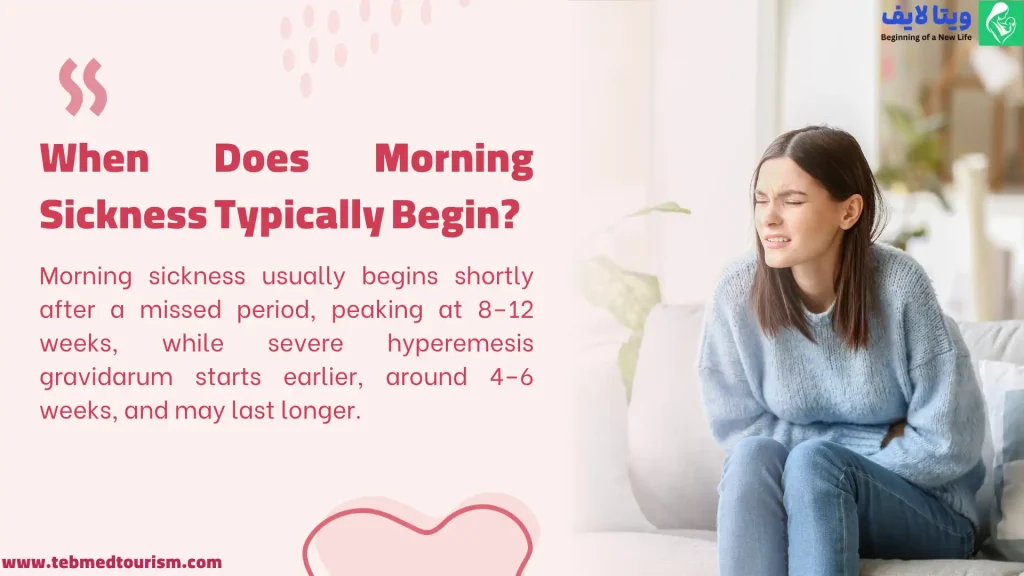
Morning sickness typically begins between 4 and 9 weeks of gestation, though in rare cases it may start as early as the second week after conception. Symptoms generally peak between 7 and 12 weeks, with the most intense nausea occurring around weeks 8 to 10, largely due to elevated human chorionic gonadotropin (hCG) levels. For most people, symptoms improve by 12 to 16 weeks, and the first trimester usually sees substantial relief by week 14. However, about 15% of pregnant individuals may continue to experience nausea or vomiting until week 20 or even until delivery. In the most severe form, hyperemesis gravidarum, symptoms typically start earlier, around 4 to 6 weeks, and may persist until 16–20 weeks or longer, often necessitating medical intervention to address persistent vomiting, dehydration, and weight loss.
Morning sickness is most prevalent during the first trimester, affecting approximately 50–80% of pregnancies. This is largely due to rapid hormonal changes, especially rising levels of hCG, which are believed to play a key role in triggering nausea. While generally mild, first-trimester nausea rarely harms the baby and may even correlate with a lower risk of miscarriage. By the second trimester, around week 14, symptoms usually improve as hormone levels stabilize. Despite this, roughly one in five women may continue to experience lingering nausea. Third-trimester nausea is uncommon and often stems from other factors such as acid reflux, fatigue, dietary sensitivities, or other underlying conditions. Persistent vomiting during this stage may indicate complications, including preeclampsia or gastrointestinal issues, and warrants prompt medical evaluation.
Contrary to the term “morning sickness,” nausea can occur at any time, including afternoon or night. Many pregnant individuals notice that symptoms worsen with fatigue, an empty stomach, exposure to strong odors, or certain foods. Recognizing these triggers can help in managing symptoms effectively and anticipating periods of discomfort throughout the day.
Managing morning sickness involves a combination of lifestyle adjustments and, when necessary, medical interventions. Staying hydrated by drinking water, ginger tea, or electrolyte drinks throughout the day can prevent dehydration. Eating small, frequent meals with bland snacks such as crackers or toast helps stabilize blood sugar and reduce nausea. Rest and sleep are important, as fatigue can exacerbate symptoms, and avoiding triggers like strong odors may help lessen discomfort. Acupressure wristbands, which stimulate specific points, can provide natural relief for some individuals. For more severe symptoms, early intervention with vitamin B6 or other medications under a healthcare provider’s guidance can prevent complications.
Most cases of morning sickness are mild and self-limited. However, certain red flags indicate the need for medical evaluation. Severe vomiting, known as hyperemesis gravidarum, is characterized by vomiting more than three times a day, inability to keep fluids down, extreme fatigue, significant dehydration, or weight loss exceeding 5% of pre-pregnancy weight. Persistent vomiting in the third trimester, especially if accompanied by abdominal pain or blood, should also prompt medical attention. Early treatment, including intravenous fluids and medications, can prevent complications and ensure both maternal and fetal health.
Morning sickness generally starts around 4–9 weeks of gestation, peaks between weeks 8 and 10, and resolves for most individuals by week 14, though mild symptoms may persist until week 20. Hyperemesis gravidarum is rare but severe, starting earlier and often requiring medical care. Each pregnancy is unique, and factors such as carrying multiples or previous history may influence severity. Understanding the timeline, triggers, and coping strategies helps pregnant individuals manage symptoms and know when to seek help. For those who cannot undergo pregnancy themselves, surrogacy provides a pathway to parenthood while bypassing the challenges of morning sickness.